


-

Add: HeBei ShengShi HongBang Cellulose Technology CO.,LTD.
-

Email
13180486930@163.com -

CONTACT US
+86 13180486930
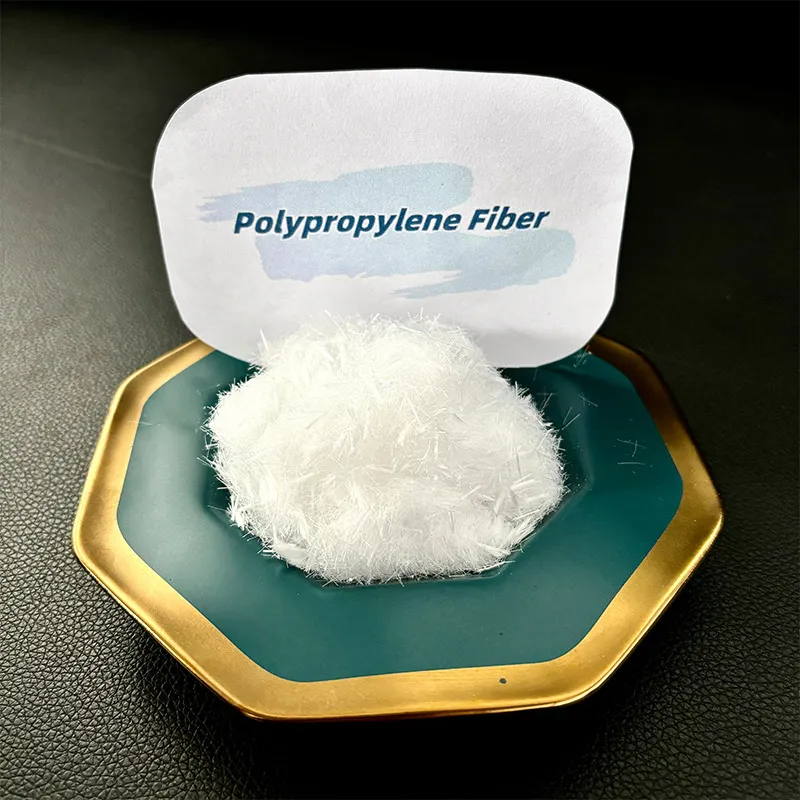


Concrete polypropylene fibers have revolutionized the construction landscape, offering an innovative solution to the age-old challenges in building materials. These synthetic fibers bring a myriad of benefits that enhance the structural integrity and durability of concrete infrastructures, and their real-world applications are proving them to be indispensable. In practice, builders and engineers alike have recognized the transformative impact of incorporating polypropylene fibers into concrete mixtures. Through firsthand experience, seasoned professionals have observed that these fibers significantly reduce cracking tendencies. Post-construction, this feature translates to lowered maintenance costs and extended longevity of concrete structures, creating a cost-effective solution in both short-term and long-term scopes. From the standpoint of expertise, it’s crucial to delve into the composition and benefits that make concrete polypropylene fibers stand out. Originating from thermoplastic polymers, these fibers offer high resistance to various physical and chemical impacts. The expert consensus highlights the fibers’ strength in enhancing resistance to freeze-thaw cycles, a common concern in regions with fluctuating climates. By reinforcing the concrete matrix, polypropylene fibers decrease permeability and offer enhanced protection against water infiltration, thus maintaining the structural integrity over time. In laboratory environments, precise tests have consistently demonstrated the advantages of these fibers. Researchers specializing in materials science have empirically validated that polypropylene fibers improve impact resistance and mitigate splitting, especially in high-traffic areas like pavements and industrial floors. These findings are corroborated by data showing reduced occurrences of micro-cracking during the curing process, setting a new benchmark in concrete durability. Authoritative bodies in the construction industry have recognized the benefits of using polypropylene fibers, therefore endorsing their use through updated building codes and standards. Organizations such as the American Concrete Institute (ACI) and the British Standards Institution (BSI) have integrated guidelines that recommend the use of synthetic fibers for concrete reinforcement. This endorsement not only reflects the growing trust in these materials but also guides best practices in application techniques. concrete polypropylene fibers Credibility in using concrete polypropylene fibers is further established through numerous successful projects globally. An exemplar is the construction of high-rise buildings in seismic zones, where the fiber-reinforced concrete has provided enhanced structural stability. Engineers involved in these projects report that the fibers allow for more flexible and adaptive designs, accommodating various architectural specifications without compromising safety or quality. Bringing a practical perspective, contractors with extensive field experience often highlight the ease of using polypropylene fibers during concrete mixing and pouring. Unlike traditional reinforcement methods, these fibers distribute uniformly throughout the mix, ensuring comprehensive protection and reinforcement. This uniformity contributes to a smoother preparation process and ultimately, superior finish quality in architectural applications. Trust in polypropylene fibers is also underscored by their environmental benefits . As sustainable building practices gain traction, these fibers contribute to eco-friendly construction goals by potentially reducing the need for other less sustainable reinforcement materials. Their production and integration result in a smaller carbon footprint, making them a fitting choice for projects aiming for green certifications and reduced environmental impact. In conclusion, the integration of concrete polypropylene fibers marks a significant advancement in modern construction practices, addressing long-standing challenges with innovative solutions. Professionals armed with both empirical evidence and field data assert that these fibers deliver unparalleled benefits in terms of durability, cost-efficiency, and environmental impact. As industry standards continue to evolve, the reliance on, and trust in, polypropylene fibers is poised to grow, positioning them as a key component in the future of sustainable and resilient construction.
- 40000tons

Production
- 20+years

Experience
- 5000+㎡

Acreage

-
The Versatility of Fiber An Insight into Polyester and Polypropylene In today's world, the significance of synthetic fibers in various industries cannot be overstated. Among these, polyester and polypropylene are two of the most widely used materials, each with unique properties that cater to a plethora of applications. Understanding these fibers is essential, whether you are a consumer, a manufacturer, or someone interested in sustainable practices. Understanding Polyester Fiber Polyester, particularly polyethylene terephthalate (PET), is one of the most common synthetic fibers used in textiles. It was first introduced in the 1940s and has since revolutionized the textile industry due to its diverse functionalities. One of the key properties of polyester is its durability. Fabrics made from polyester are resistant to shrinking, stretching, and abrasion. This makes them ideal for clothing, upholstery, and various industrial applications. The Versatility of Fiber An Insight into Polyester and Polypropylene However, it is essential to consider the environmental impact of polyester production. Traditionally, polyester is derived from non-renewable fossil fuels, contributing to a significant carbon footprint. This has led to innovation in producing recycled polyester, which utilizes post-consumer plastic bottles and reduces waste in landfills. Brands are increasingly adopting eco-friendly practices, catering to the growing consumer demand for sustainable products. fiber ya saruji ya polypropen Exploring Polypropylene Fiber Polypropylene, on the other hand, is a thermoplastic polymer that has gained attention for its lightweight and high chemical resistance properties. First developed in the 1950s, polypropylene has carved a niche for itself, especially in packaging, automotive components, and medical supplies. It is also becoming popular in the textile industry, particularly for non-woven fabrics. One of the standout features of polypropylene is its hydrophobic nature, which means it repels water. This property makes it an excellent choice for outdoor fabrics, geotextiles, and other applications where moisture resistance is crucial. In addition, polypropylene fibers are known for their high tensile strength, making them suitable for products that require durability without added weight. In terms of environmental implications, polypropylene is also produced from fossil fuels, but like polyester, efforts are being made to enhance its sustainability. Biodegradable options and recycling initiatives are making their way into the market, giving consumers a chance to choose products that align with their values. Conclusion Polyester and polypropylene fibers play integral roles in our daily lives, from the clothes we wear to the products we use. While both materials have their downsides—primarily concerning their environmental impact—they also offer remarkable durability, versatility, and functionality. The textile industry is gradually shifting towards more sustainable practices, focusing on both recycling and developing biodegradable options. As awareness of environmental issues continues to rise, consumers will increasingly seek out innovative solutions that reduce our collective footprint while maintaining the benefits of synthetic fibers. The future of polyester and polypropylene fibers lies not just in the strength and durability of the material but also in the commitment to sustainability and responsible manufacturing practices.
-
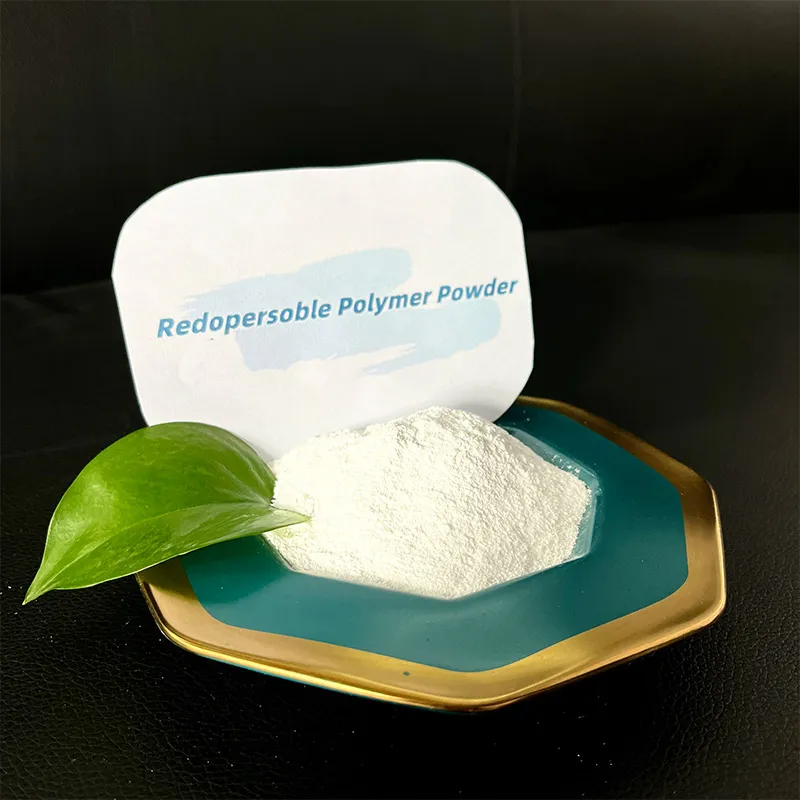
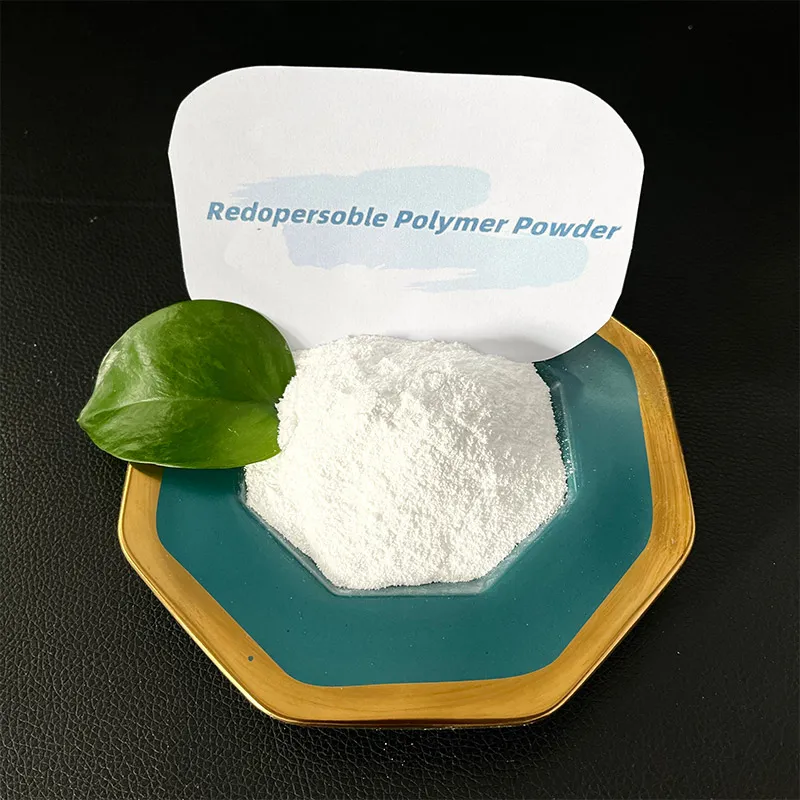
HeBei ShengShi HongBang Cellulose Technology CO.,LTD. Tel: +86 13180486930 Email: 13180486930@163.com Address: Room 1904, Building B, Wanda Office Building, JiaoYu Road, Xinji City, Hebei Province Official Website Introduction to Redispersible Emulsion Powder & Industry Overview Redispersible emulsion powder (REP), also known as redispersible latex powder or polymer powder , represents one of the most transformative innovations in modern construction, dry mix mortars, and various industrial applications. These powders, which include sought-after types such as VAE redispersible powder , are essentially spray-dried polymer emulsions that redisperse when mixed with water, forming a stable polymer dispersion with remarkable performance characteristics. In recent years, the global demand for redispersible emulsion powder has surged due to its diverse applications in mortars, adhesives, self-leveling compounds, waterproofing, ETICS/EIFS, tile adhesives, and specialized floor screeds. According to the Proceedings of the Institution of Mechanical Engineers , performance-enhancing admixtures like REP significantly improve workability, durability, and adhesive properties in cementitious blends while contributing to sustainability efforts. Industry Trends – Global Market Insights The redispersible emulsion powder market is experiencing robust growth, demonstrated by increasing consumption across the Asia-Pacific, European Union, and Middle Eastern construction sectors. The shift towards prefabrication, green buildings, lightweight mortars, and high-performance adhesives directly reflects the surging demand for advanced polymer additives. 2023 Market Size : Estimated at $1.8 Billion ( source ). CAGR : > 6.2% for 2024-2030. Key Regions : China, India, Germany, Turkey, USA, UAE. Major End-Use Sectors : Tile adhesives, ETICS/EIFS, grouts, plasters, self-leveling compounds. Highest Growth Segment : VAE-based redispersible powders. Key Parameters - Redispersible Emulsion Powder Parameter Typical Range Industry Standard Application Impact Polymer Content (%) 50-99 >80 for premium VAE Bond strength, flexibility, water resistance Particle Size (μm) 80-120 <120 Dispersion, film formation, smoothness Bulk Density (g/L) 350-550 450±50 Flowability, packing, mixing pH Value (1:5 aqueous solution) 5-8 6-8 (neutral to mildly acidic) Cement compatibility, storage Minimum Film Formation Temp. (°C) 0-10 <5 Cold weather applications Residue after Sieve (180μm, %) <2% <2% Consistency, lump-free blending Redispersibility (min.) <5 <5 Homogeneity, performance guarantee Product Focus: Redispersible Powder VAE from HeBei ShengShi HongBang Cellulose Technology CO.,LTD. Introducing Redispersible Powder VAE by HeBei ShengShi HongBang Cellulose Technology CO.,LTD. . Re-dispersible polymer powder products, especially those based on Vinyl Acetate Ethylene (VAE), mark a significant innovation in the construction and industrial sectors. They offer excellent flexibility, high bond strength, water resistance, and improve the overall workability of dry mix mortar systems. The VAE-based redispersible powders produced by our company strictly adhere to international standards, offering unparalleled performance across a broad range of applications. Product Name: Redispersible Powder VAE Product Brief: Re-dispersible polymer powder products are a significant innovation in the realm of construction and industrial applications, offering versatile solutions due to their unique properties and capabilities. Product URL VAE Redispersible Powder - Main Technical Data Property Value Test Method Significance Polymer Type VAE Copolymer FT-IR, DSC Adhesion, flexibility Polymer Content (%) ≥81 Gravimetry Bonding, film forming Residue on Sieve (180μm, %) <1.0 Sieve Test Smoothness Bulk Density (g/L) 410-530 ISO 60 Mixing/packing pH Value (1:5 in Water) 6.0-8.0 pH-meter Alkalinity compatibility Minimum Film Formation Temp. (°C) <5 Film formation Cold weather suitability Redispersion Time (min.) <6 Visual Workability Applications & Benefits of Redispersible Emulsion Powder Tile Adhesives & Grouts: Enhanced open time, strong cohesion, slip and water resistance for interior/exterior tiling. Self-leveling Compounds: Improved flow, crack resistance, resilience under mechanical stress. External Thermal Insulation Composite Systems (ETICS/EIFS): Flexibility, weather resistance, improved bonding between foam and mortars. Cement Renders & Plasters: Excellent workability, shrinkage reduction, easier application, superior surface finish. Waterproof Mortar: Hydration retention, flexural strength, resistance to hydrostatic pressure. Gypsum-based Systems: Reduced powdering, improved adhesion and smoothness in joint fillers and wall plasters. Other: Repair mortars, self-compacting concretes, flooring systems, and wood/plaster adhesives. Professional FAQ on Redispersible Emulsion Powder Q1: What is the typical composition of redispersible emulsion powder ? A: It usually consists of vinyl acetate ethylene (VAE) copolymers, protective colloids like PVA, anti-blocking agents, and minor additives to enhance workability. Q2: What particle size is considered optimal for high-performance tile adhesives? A: A mean particle size of 80–100μm is recommended, ensuring excellent dispersion and smooth film formation (see Cement & Concrete Composites Journal ). Q3: What are the most relevant standards for redispersible latex powder testing? A: ISO 12439, EN 12004 (tile adhesives), ASTM C348 (flexural strength), ISO 60 (bulk density), and EN 196-1 (bond strength) are key standards for evaluating performance. Q4: Which installation guidelines are vital for VAE-based redispersible powder ? A: Use in dust-free, dry environments, ensure thorough mixing, dose according to dry mortar formulation (1-5%), and avoid excessive exposure to humidity before mixing. Q5: How does redispersible emulsion powder improve flexibility? A: Upon redispersion and subsequent film formation, the polymer chains interlock within the mortar, granting elasticity and crack resistance even upon heavy mechanical loading. Q6: What are the environmental considerations regarding the use of REP? A: REP enhances durability, reduces repair volumes, and supports sustainable construction by allowing lower cement dosages and energy-efficient building designs. ( Materials science journal ) Q7: Is redispersible emulsion powder compatible with all types of cement? A: VAE-based powders are highly compatible with OPC, blended cement, gypsum, and hydraulic binders, enhancing adhesion and durability across different formats. HeBei ShengShi HongBang Cellulose Technology CO.,LTD. - Why Choose Us? Authority: Over 15 years' expertise and ISO-certified, acknowledged as industry leaders in advanced cellulose ethers and redispersible emulsion powder solutions. Trustworthiness: Exported to 40+ countries; tracking raw materials from source to finished product ensures top reliability. Technical Support: Dedicated R&D/technical consulting for formulation optimization, application trouble-shooting, and regulatory compliance. Global Logistics: Fast, safe delivery throughout Asia, Europe, Middle East, Africa, and the Americas. One-Stop Portfolio: Cellulose ethers, construction RDP, superplasticizers, hydroxypropyl methyl cellulose (HPMC), and more. References Redispersible polymer powders: properties, application and latest developments. Construction Technology Journal . [ Read article ] Performance improvement by VAE-based redispersible powders in mortars. Materials & Design . [ Read article ] Annual Global Redispersible Powder Industry Forum (2023): Market Data Polymer-modified cementitious materials: Mechanical and chemical advancements (SAGE Publications) Aggregate concrete and composites analysis. SpringerOpen: Innovative Infrastructure Solutions For further technical support or to discuss your redispersible emulsion powder requirements, please contact HeBei ShengShi HongBang Cellulose Technology CO.,LTD. directly at +86 13180486930 or email 13180486930@163.com . We are committed to delivering high-efficiency, reliable, and cost-optimized polymer powder solutions globally.
advantages
-

200000 Viscosities
Excellent product
We can produce pure products up to 200,000 viscosities
-

40000 tons
High yield
We don’t stop production all year round, and the annual output can reach 40,000 tons
-

24 hours
Quality service
We provide 24-hours online reception service, welcome to consult at any time
———— Inquiry Form
Schedule A services

-
 hydroxypropyl_starch_phosphate_hair
Oct . 25, 2025
Hydroxypropyl methylcellulose (HPMC) K4M is a versatile polymer extensively utilized across numerous -
 hpmc_dispersion
Oct . 25, 2025
When exploring the landscape of construction materials, HPMC Limited emerges as a pivotal player, re -
 fibra_de_pelo_de_polipropileno
Oct . 25, 2025
The gypsum retarder chemical is a crucial component in the world of plastering and construction. Gyp


